Cultivation theory examines the long-term effects of television. This theory states that the more time people spend 'living' in the television world, the more likely they are to believe social reality portrayed on television. In this sense, perceptions of the world are heavily influenced by the images and ideological messages transmitted through popular television media. For example, if someone were to watch heavily crime themed TV shows, then they may become far more suspicious and wary of strangers than they need to be. This is because they will have become accustomed to the fact that even the slightest unusual behaviour from something unknown means they are under threat. The term for this is 'Mean World Syndrome' which describes how people have began to expect the worse from reality, based on the television they are watching.
This displays how youths are always the victims of being involved within crime throughout various media platforms. As others watch this widely negative perception of youths on television, they begin to believe that every teenager they come across must be dangerous or a threat to them. Therefore, the representation of youth has become damaged through the now pessimistic view that is displayed upon teenagers. This is as they have automatically been given a bad name, without considering what they might actually be like. Moreover, many programmes have 'indoctrinated' the public into placing the blame onto teens as they are seen as an easy target with the negative view of them already perceived by the public. This effectively pushes out the idea that some teens may be normal and not the 'monsters' that they media make them appear to be.
Moreover, Gerbner identifies two assumptions which highlight the functionality of the Cultivation theory. The first is that 'television is fundamentally different from other forms of mass media''. This means that as television is visual and auditory, it therefore does not require for viewers to be literate. With television also being free, there are no limitations to who can watch it and therefore comprehend the contents that are being emitted. The second is that 'television shapes the way individuals within society think and relate to each other'. This means that the realities created by television are not based on real facts but on speculations. Gerbner asserts that television's major cultural function is to stabilize social patterns and to cultivate resistance to change. Therefore, Cultivation theory doesn't predict what we will do after watching a violent program, but rather harbors an innate worry and fear of a violence-filled world after being exposed to violent programming.
By looking at this theory we are able to tell that the representation of youths is closely linked to what we see on television. In this sense, people's perceptions on representations depends on what has been shown on the television. Gerbner argues this through describing how watching television doesn't cause a particular behaviour, but instead watching television over time adds to our perception of the world around us. Therefore, youth culture films victimize teenagers by always perceiving them as the 'bad guy' or 'monster'. This builds a negative image of youths in the public's mind and unconsciously makes them cautious of teenagers when they do not need to be.
Tuesday, 29 November 2016

Thursday, 3 November 2016
Greg Philo's theory
Greg Philo argues that contemporary 'hoodie cinema' reflects middle class anxiety about the threat of the working class. His theory identifies how the increase in 'hoodie cinema' is due to the fear that the new youth culture in our society represents. For example, in previous action/horror movies the 'bad guy' would usually consist of some kind of creature/monster/murderer. While recently in cinema, we have seen the 'bad guy' of the film switch to a group of teenagers in hoodies. This may be due to the present rise in the threat of new youth culture which has been developed and shaped by the media to the stereotype teenagers as 'monsters', therefore explaining why they are being pinned as those in movies.
This shows that anyone under middle class is inserted into this 'hoodie cinema' , which basically sums up that in all films that if you are not middle class then you are a thug in a hoodie. The media has represented youths like this in order to encourage and persuade the older generation to feel threatened and afraid of teenagers as they are 'dangerous'. Moreover, this exploitation of youths in 'hoodie cinema' aid to the prejudice that they encounter throughout the media and within adult opinions of them. This is as adults are led to believe what they are shown, and so only see teenagers as the violent, destructive image they have been given instead of the good, hard-working side of youths which is not displayed by the media.
An effect is also made on working class youths, as by everyone else they would be seen as thugs and upper class people would be more threatened of them. Also, it would be harder for them to make something of their life if they believe that they will always be linked with the 'hoodie cinema' idea. In this sense, working class youths are being victimised as even if they want to focus on getting a good job/education, they will always be associated with 'hoodie cinema' and stereotyped as trouble, due to the media's preconceptions of youths. Moreover, this expresses the extremely strong influence that the media has on the public as they have completely built up a negative image of youth culture which the older generation have bought into without a second thought.
By looking at this theory, we are able to tell that the media link social classes with strong stereotypes. The middle class is shown as being the ideal person while anyone lower than this is seen as being a hooligan. Philo describes them as a long term excluded class, simply not needed, who often take control of their communities through aggression or running their alternative economy, based on things like drug-dealing or protection rackets. Furthermore, Philo also believes how the culture of violence is real, but for the British media, destructive youth culture is simply due to bad upbringing or just evil children.
Cohen's theory
Albert Cohen is known for his sub-cultural theory of delinquent urban gangs, including his influential book 'Delinquent Boys: Culture of the Gang'. Cohen wrote about delinquent gangs and suggested in his theoretical discussion how such gangs attempted to 'replace' society's common norms and values with their own sub-cultures. He achieved this through his study of the media's response to the mods and rockers riots in the 1960's.
Cohen suggests through his theory that a 'moral panic' occurred when these contrasting youth groups developed in society. This 'moral panic' is an exaggerated fear or outrage by the media over an issue that has been blown out of proportion by the media in the first place. These become issues of public concern, about the behaviour of certain groups of people who are seen as a threat to the moral order and stability in society. From this, Cohen argues that 'folk devils' emerged in society to reflect the anxieties running through people at the time. These 'folk devils' are groups targeted by a moral panic and are seen by the media as evil or deviant and a threat to the moral well being of society. In terms of the youth groups at the time, this was the 'mods' and 'rocker's.
The effect of the moral panic is to reinforce hegemony by the media making it clear what values society do not accept. This was enforced through the media exploiting and victimizing this new youth culture which they simply do not understand. With the media representing 'mods' and 'rockers' as monsters, it was believed it would make them realize how they were being rejected by society and therefore would lead to them changing their ways. This shows that when youths try to express themselves in a way that adults have not seen before they try to stop it by showing it as a negative aspect.
Therefore, this would effect the representation of youths as it shows that they are not allowed to express themselves within a different way that society does not see as acceptable. This places a more negative effect on the youths as everything they do out of the 'norm' of society, is seen as bad. From this stereotype of the new youth culture being seen as 'monstrous', the older generation are simply bypassing and dismissing any chance that the new views of teenagers could benefit them further than what society believes they should behave like. In this sense, any good from youths is rejected by the media as they want to create a violent and destructive image of teenagers rather than displaying how some of them are actually good.
By looking at this theory, we are able to see that the media places the blame onto the youths as they see them as an easy target. This causes the moral panic cycle to happen in order to stamp down hard onto anything that youths try to do that is out of the 'norm'. Therefore, the media's response and representation of the new youth's behaviour actually helps to define, communicate and portrays it as a model for outsiders to observe and adopt. So, the moral panic by society represented in the media arguably fuels further socially unacceptable behaviour.
Tuesday, 1 November 2016
Hebdige's theory
Dick Hebdige focuses on Britain's postwar youth subculture styles as symbolic forms of resistance and wrote the book 'Subculture: The Meaning of Style' in 1979. He draws from Marxist theorists, literary critics, French structuralists and American sociologists to present a model for analyzing youth subcultures. Hebdige argues that each subculture undergoes the same direction, while outlining the individual style differences of specific subcultures. Hebdige emphasizes the historical, class, race and social/economic conditions that surrounded the formation of each subculture.
Hebdige also argues that the representation of youth is very limited. This is due to the fact he believes that youths are either shown as 'trouble' or 'fun' with no in-between. In this sense, he is suggesting that teenagers are either the violent, drug-dealing monsters they are stereo-typically portrayed as, or simply silly, harmless youths who think they are already adults. This represents the dramatic effect on youths, due to them either being shown in the two different ways of being trouble or having fun in the media. It suggests that we never get to see the good and hard working teens of society who just fade into the background, as they are seen as boring by by the media.
In Hebdige's book, 'Subculture: Them Meaning of Style', he describes how members of the working class encounter daily hardships and alienation from the ruling hegemony. Younger generations are reluctant to suffer what their parents go through without protest and so they develop distinct styles and practices which manifest their separate identity, condition and subversion. The media discovers the subculture with a reaction that is typically moral panic. The subculture expands while in the process losing its rebellious edge either by turning into another commercial consumer product before the mainstream hegemony can return to its peaceful, un-threatened state.
By looking at this theory we are able to see that the media in society tends to ignore the good and hard working to instead focus on the 'fun' and 'trouble'. Therefore, this makes adults believe that all youths behave in this manner and confirms the stereotype already put across by the media. Furthermore, this makes it seem as though youths are either extremely bad or extremely good with no in-between for the normal teenagers that are never mentioned by the media. The media only display the violent and 'monstrous' side of youth in order to build up this view that they are to blame for issues that are actually caused by adults. Fundamentally, this means that if the media were to express how there are actually goo and normal youths, then they would be challenging their own stereotype.
Thursday, 20 October 2016
Gramsci's theory
Gramsci developed the idea of 'cultural hegemony'. This is the idea that one social class within a culture dominates society, therefore making their views and values acceptable and 'normal' behaviour. Gramsci believes hegemony is constantly causing problems within societies arguing what is actually a 'normal' way of life. For example, this arguing is shown through negative and positive representation of youths from different classes, most commonly underclass. The typical structure of a film, particularly 'hoodie horror' opens with a 'normal' way of life, which is then disrupted by something that goes against this normality. We see one point of view in Attack the Block, where we see the underclass youths as heroes. From this film about youths, we can see how society argues about what is a normal way of life.
Moreover, this means that low social classes will always be shown as negative as they are unable to have the same lifestyle as middle class people. This would effect representations as all representations of youth will always be contrasted with middle class youths. therefore meaning that if the lower class youths are not living up to the standard of the middle class youths then they will always be looked down upon withing society. By looking at this theory, we are able to see that the media always still with the hegemony of the higher classes as these are seen as more acceptable. Also, it further represents how they do not take into consideration how other people live in society.
In conclusion, this displays how the competition of class value will always create tension and inevitably end up with lower class youths acting out violently. This may express how due to the separation between classes in society, people do not understand each other or why they might act the way they do, which strongly relates to how the media has represented youths as 'monster's due to the fact that they do not know what it is like to be a teenager in this generation. Overall, in order for the class tension to disappear, people need to learn and understand each other so youths and adults can get along.
Acland's theory
Acland's theory describes how the media's representation of young people allows the state to control them. This is known as 'Ideology of protection', which is the idea that youths need to constantly be watched in order for them to be restricted from their 'delinquent behaviour'. It is deemed that as teenager are at a very significant point in their lives as youths, they need to learn the correct social roles and values according to adults before continuing in life. These will be reinforced and confirmed by the state as at this age, teenagers views are very influential and so Acland's theory displays how they need to be influenced in the correct way in order for their 'unacceptable behaviour to stop.
This therefore effects the representation of youths as they are all seen as being reckless by adults who have to keep enforcing that their actions are bad. Moreover, this displays the hegemony of how these youths should not behave when they reach adulthood and teaches them that they have to grow up and understand the consequences that their actions have. Therefore, widely negative stories have been published in the media to express to the youths the damage that they are causing society which is intended to influence them into behaving better. For example, the idea in 'hoodie horrors' that youths are like monsters often included in horror themes leads some youths to relate these representations to things they fear, such as demons, which moves them in the opposite direction of this sort of behaviour. Furthermore, the media creates a 'normal image' of youths and adults, then contrasting this with behaviour that contrasts against what we deem to be socially acceptable. this is what the audience finds entertaining and interesting, as it is going against these 'normal' views of society.
In conclusion, Acland's theory informs and explains how the state believes controlling youths and pressuring them into seeing how their behaviour is bad, will enable them to control and restrict them from the 'monstrous' stereotype that has been created of them. Moreover, by looking at this theory I have been able to understand and build knowledge on how teenagers have been exploited into believing everything they do is unacceptable and wrong.
Giroux's theory
Giroux has been an important contributor to a variety of academic fields, including critical pedagogy, cultural studies, youth studies, and media studies. Giroux's views show how the youth are mistreated within the media. He describes the media's representation of youths as an 'empty category' which suggests that adults do not really understand what it is like to be a youth in this generation. Because of this, the media puts their own ideas into this 'empty space' of what they believe the representation of youth this. Therefore with the media involving only adults, the representations are widely affected as adults do not want their generation to look bad so instead use teenagers as a scapegoat to blame the issues actually caused by themselves.
By looking at this theory we are able to see that the representation of youth is molded together through what adults believe and think rather than the reality of what teenagers are like. This then leads to the uprising stereotypes through the media, which has been the cause of moral panic spreading as adults do not know how to control this new youth behaviour. However, this has just been created through hegemony and the media pouring down their ideas onto adults and leading them to believe that teenagers are people to be afraid of and that they are monsters, when the reality is that they are just misunderstood. He see's the abandonment of youth in the neoliberal economy as a critical indicator of the new authoritarianism that has accompanied this project. He also advocates a re-commitment to community development and learning for social justice, equality and democracy.
In conclusion, by looking at Giroux's theory I have been able to develop my understanding of how the media represent the 'new generation' of youth culture negatively in order to create a stereotype of teenagers. This prejudice displays how not only have the media created this 'monstrous' image of youths, but they have also led adults to believe that they are the cause of all issues that arise in the media. However, in reality these issues have previously been caused by adults who now have someone to put the blame on other than themselves and so protect their own generations image. Moreover, the media's representation have imprinted the idea that all youth's are violent and dangerous with no exception to this stereotype. In this sense, teenagers who may challenge this stereotype are victimised and judged straight away without anyone actually taking the time to understand and get to know them.
Tuesday, 11 October 2016
Who is my target audience?
The target audience for my music video are 16-20 year old's of both genders, but mostly male. The reason for this is that it will reflect gang culture, all of which are mostly male, while relating to the fact that I will only have males in my video.
I have reached the decision of this age and gender to be the audience for my music video due to my production research so far on the films 'Straight outta Compton' and 'Brotherhood'. Both these films reflect similar themes and views, although you could argue 'Brotherhood' is a much more modern display of youth culture and focuses on the more humorous side of things. Through looking at these similar films who hold the same concept and ideas as I want to portray in my own music video, I have been able to direct my audience to almost the same as the directors have decided to.
The type of audience I expect to watch my music video are males who may listen to the same grime/rap genre as the song I have chosen and who relate to the cast I will choose to put into my music video. They may wear or share interest in the clothing and props I am going to have my cast use of black hoodies, ripped jeans and jewelry/hats. In this sense, I am to purposefully deciding my cast, costume and props based on what I know will relate to my target audience. Furthermore, another reason why I chose the song 'Young fire old flame' by Wretch 32 is because I knew it would relate and encourage my audience to watch my music video.
In conclusion, by looking at my target audience, I have been able to understand what and what not I need to include in my music video in order to make sure I direct the correct audience in the right way. I have done this through my production research so far, which in being so similar to what I hope to achieve, has developed my knowledge and understanding of key themes, ideas and views I need to include. Therefore I have been able to ensure what I need to continue throughout my pre-production in order to achieve the correct impact at the end of my music video.

Brotherhood
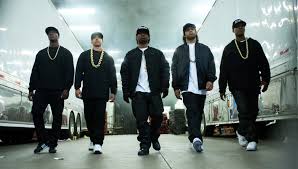
One of the key influences I have had for the idea of my music video to be based around the grime/rap genre is the film 'Brotherhood'. This is a spin off from the previous 'Kidulthood' and 'Adulthood' films that were written, directed and starred by Noel Clarke. With its theme of former gang members coming to terms with the ramifications of their decisions as teenagers, this is the most mature and thought-provoking of Noel Clarke's urban drama series. Clarke delivers a powerfully downbeat turn as Sam Peel, a man who stands to lose everything because of one single violent act a lifetime ago. The film stars the UK's main grime artist 'Stormzy' (real name Michael Omari), who fundamentally represents the youth culture in London and the rest of Britain at present time as the grime/rap genre has become more and more popular. This is one of the main reasons why I have chosen this genre as I know that it will relate and encompass what most teenagers are listening to as more people have gotten into the grime/rap culture.
The film relates to the themes of gang culture and the stereotypical view of youth culture that has been represented through the media. This is due to the gang in the film following the themes of violence/drugs/sex as being all that these teenagers are interested in. My music video links to this as it is the message which I wish to bring across by the end of the production as I am aiming for it to have this impact on the viewer. Furthermore, the audience of this film is targeted to a similar audience as my music video will be aimed towards (16-20 yr old, mostly males but females also). In this sense, I will be able to ensure that I am directing the correct audience through the right way by looking at how the film 'Brotherhood' does this. Therefore, I will be able to build my knowledge and understanding of my own target audience, which will further help with how I will gain primary and secondary research.
In conclusion, by looking at the film 'Brotherhood', I have been able to further my understanding and knowledge of the genre of my music video and how I should target the correct audience. This has enabled me to think about which themes that occur in the film that I will continue throughout my music video in order to engage the rap/grime genre that I have chosen. I have attached a link to the trailer of 'Brotherhood' below:
https://www.youtube.com/watch?v=VlbcqU0Qgr8
Thursday, 6 October 2016
Storyboard
I have attached a picture of the storyboard below to justify my explanation of which shots I will be using and why.
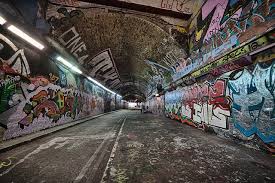
I wish to begin my music video with long shots of the main character looking over a rooftop to a sunset, with the camera panning around and zooming in and out of his face and the sky. Next, I want to show some quicker shots of the different locations I will be using throughout the music video. For example, a long distance shot of a dark alleyway, the underground graffitied tunnel I will be using and the bin that I will build a fire in before it is lit. These shots will be shown throughout the intro to the song before the lyrics and main beat begins.
As the main section of the song begins, the other characters I am going to present with the main character will immerge from the different locations I have mentioned above (alleyway and underground tunnel). I will mainly focus on the main character on the rooftop miming the lyrics before switching back and forth the different locations where the other characters will also be miming the lyrics together. Further on, another location will be presented as all the characters gather around a car. As the song reaches its fast beat, the fire I mentioned before will be lit by the main character, representing the symbolism of the whole song. Close-up shots will be used of the characters costumes as well, for example to display the jewelry, tattoos, hats and hoodies they will have. This will aid in building up the image of the characters towards the viewer in order for them to understand the characters themselves.
When the song begins to come to a close, I will use similar shots to the beginning of the song for chronological purposes and to ensure that it all links together. The only difference with these shots however will be that it will display the characters walking away into the distance in the different locations I have chosen (alleyway, underground tunnel and car). The camera will zoom out as the characters walk the other way as the camera un-focuses and focuses again. The final shots of my music video will include the main character looking out over the rooftop one last time as the sun has eventually gone down. Before the last shot displays the camera first panning around and then zooming into the now dying out fire before the music video ends.
In conclusion, the making of my storyboard has drastically aided in the development and understanding of my music video as I have actually been able to lay out on paper the different scenes and shots I want to achieve. This has been able to ensure I have a solid plan of what I wish to achieve from the production stage of the process while making sure I get the correct impact and effect I wish to have across to the reader.

Monday, 3 October 2016
Camera shot list
I have thought about the different types of shots I wish to include in my music video in order to create the correct impact at each stage of the song.
Beginning of the song:
Long distance shots- Of the sky and sun going down, with the camera un-focusing and then focuses again. My main character looking out over rooftop at the sky, simple shots displaying different settings which I intend to use: underground tunnel, rooftop, fire not yet lit.
Close-up shots- Of the main character's face looking out, tense and thoughtful expression. Newspaper and wood in bin- prepared fire yet to be lit further in the song.
Middle section of the song:
Wide shots- Of other cast members with main character around car, in underground tunnel and on rooftop, each doing different things.
Zoom in- Of the fire being lit and flames going up, these shots will be switched back and forth and blended in with close-ups of the main character and other cast members.
Close-up shots- Of the main character and other cast members expressions, they're costume, jewelry and props I want them to wear. This will give the viewer the stereotypical impression of my cast members and identify the tone and atmosphere of my music video.
Last section of the song:
Long distance shots- Of similar shots to the beginning of the song: sunset and now empty different locations I have used or showing the cast members walking away. This will aid in the chronological series of events and make the beginning link to the end of the music video.
Close-up shots- of the main character looking out over the rooftop again to link to the beginning of the music video, with the camera focusing and un-focusing. Shots of the fire burning out and becoming just smoke to chronologically end the music video and give a sense of closure to the viewer.
Wide shots- camera movement will include panning around the different locations I have used and the characters walking away into the distance while the camera un-focuses and the music fades out as the song ends.
In conclusion, creating a shot list has largely helped me actually envision what my music video will look like when I film it. Moreover, it has helped me in my preparation before going into the production stage as I will physically know what shots I want to get before I go to my location so I do not miss out on any of the key shots I wanted to achieve.



Beginning of the song:
Long distance shots- Of the sky and sun going down, with the camera un-focusing and then focuses again. My main character looking out over rooftop at the sky, simple shots displaying different settings which I intend to use: underground tunnel, rooftop, fire not yet lit.
Close-up shots- Of the main character's face looking out, tense and thoughtful expression. Newspaper and wood in bin- prepared fire yet to be lit further in the song.
Middle section of the song:
Wide shots- Of other cast members with main character around car, in underground tunnel and on rooftop, each doing different things.
Zoom in- Of the fire being lit and flames going up, these shots will be switched back and forth and blended in with close-ups of the main character and other cast members.
Close-up shots- Of the main character and other cast members expressions, they're costume, jewelry and props I want them to wear. This will give the viewer the stereotypical impression of my cast members and identify the tone and atmosphere of my music video.
Last section of the song:
Long distance shots- Of similar shots to the beginning of the song: sunset and now empty different locations I have used or showing the cast members walking away. This will aid in the chronological series of events and make the beginning link to the end of the music video.
Close-up shots- of the main character looking out over the rooftop again to link to the beginning of the music video, with the camera focusing and un-focusing. Shots of the fire burning out and becoming just smoke to chronologically end the music video and give a sense of closure to the viewer.
Wide shots- camera movement will include panning around the different locations I have used and the characters walking away into the distance while the camera un-focuses and the music fades out as the song ends.
In conclusion, creating a shot list has largely helped me actually envision what my music video will look like when I film it. Moreover, it has helped me in my preparation before going into the production stage as I will physically know what shots I want to get before I go to my location so I do not miss out on any of the key shots I wanted to achieve.
Tuesday, 27 September 2016
Song choice
I have chosen to do the song 'Young fire old flame' by Wretch 32 for my music video. (I have attached the link below)
https://www.youtube.com/watch?v=5a9nK2ZZkVs
I have reached this decision due to the fact that this song has an ideal beat, previous to the other songs I was looking at. This is as it starts off slow and gets faster and faster as the song goes on. In this sense, I will be able to create a diverse music video with various elements to develop the effect and impact. Moreover, I believe this song will fit the type of cast, costume, location and themes that I discussed in my production power point.
As I have now chosen the song I wish to do, my aim for the next few weeks is to plan my actual music video. I aim to come up with a camera shot list and a storyboard in order to begin developing my original idea. As I am doing a music video I need to ensure that the image being put across links to the lyrics of the soundtrack and is in time as well as creating the right amount of tension I want.
For example, at the beginning of the track the beat is quite slow and so I may show some simple shots of a the sun going down over the location I wish to use and my main character looking out over a rooftop or in an underground tunnel. By doing this, I will be able to set the scene and tone of my music video for the audience watching before the tension builds up in the song as the beat and lyrics become faster and more emotional.
Moreover, some of my ideas for camera shots further into the song when it becomes faster is to switch very quickly between a fire burning, the main character and other cast members in their different settings of on a rooftop or underground tunnel. This will build suspense through the video and the fire will be a metaphor for how they are actually feeling while linking to the lyrics and actual name of the song.
In conclusion, by choosing the song for my music video I can now move on to actually planning what I want to do and developing my idea further. In this sense, I have moved much further along the pre-production line and can now begin thinking about the production stage and all the details I need to ensure are correct. From this, I will be able to create the certain type of impact and effect I aim my music video to have on the viewer.
Friday, 23 September 2016
Song ideas
Although I have not yet picked the song for my music video, I have a variety of choices. The songs I have chosen all relate strongly to the rap/grime genre of music I am aiming for. They each display the dark, angry and an almost sadness to the teenage issues faced daily. Moreover, I have seen the same image and atmosphere created in these music video's as the image I am going for. In order to be able to achieve this atmosphere, I need to have a wide understanding and knowledge of how it is created in other music videos of the same style/genre. By looking at each of these music videos, I am able to achieve that.
First song: Off the record 2 by Yungen. (I have provided the link to the music video below)
https://www.youtube.com/watch?v=HLU90Rdmgeo&list=RDHLU90Rdmgeo#t=139
This music video uses several similar elements that I intend to use in my own music video. For example, the shots used in the underground tunnel from a long distance away effectively give of a tone of emptiness and isolation. Similarly, the shots used in the train station portray how the male character (Yungen) may want to escape from his reality although he can never really leave, as we can see by him never actually getting onto a train. Not only are the shots similar to what I want to incorporate in my own music video, but the costume and cast used also relate to my ideas. For example, the hoodie is worn by Yungen with the hood up so we cannot see his face at the beginning of the music video. This may express him having issues with identity and not knowing who he is supposed to be or who he wants to be. Although this song strongly relates to the ideas I want to express, I feel like it is too slow for the dark, angry atmosphere I wish to perceive. However, observing and looking at the elements used have aided in influencing further developments of my own.
Second song: Letter to Krept by Cadet. (I have provided the link to the music video below)
https://www.youtube.com/watch?v=ssZ109BK3v4
This music video also uses various components that I wish to express in my music video. For example, the shots of natural elements that are used to separate the male character (Cadet) from his own thoughts reflect in what I want to portray. For instance, the shot of the sea on the beach and the sunlight shining through the tree's in the woods. These shots effectively deepen the meaning of the song and gives the viewer an in insight into what Cadet may be thinking about. Similarly to the first song, the cast and costume relate to what I aim to use in my own music video. For example, the fact that Cadet is obviously a black male character, as I wanted to use a mixed race cast for my own characters. Moreover, the jewellery and hat he is wearing are all things I have thought about when choosing costumes for my cast. However, I will not be using this song as similarly to the first song, it is far too slow paced for the atmosphere I wish to go for. I would like a mix of a slow and faster-paced beat in order to mix these two atmospheres together.
Third song: Antwi by Wretch 32. (I have provided the link to the music video below)
https://www.youtube.com/watch?v=KDhyOtsCMGk
This music video depicts some of the main elements I aim to include in my own production. For example, the close up shots of the male character (Wretch 32) rapping the lyrics to the song are similar to my own ideas for how to get the full impact of the song across to the audience. I like the way that he is surrounded by darkness and all the viewer can focus on is the emotion he is portraying from his face and what the lyrics are saying. However, this is mainly what the music video consists of rather than the setting changing throughout to make it more diverse. I will aim to avoid this in my music video as I feel like a couple shifts in setting will deepen the effect and impact of the message attempting to be put across. I believe this will engage the viewer much more than just someone rapping/singing to a camera. However the director may have chosen to do this because it is quite a slow song, with the only diversity being when the beat drops and the lights in the music video turn to red. As I have said above, I wish for my song choice to be much faster than this example, therefore I will not be using this song.
In conclusion, although I am not choosing any of these songs, it has been very helpful to look at other options I may choose for my production as it gains a fuller understanding and knowledge of the style of music video that I am planning to make. Moreover, I can look into what components usually take place in a rap/grime genre music video and incorporate it into my own.
Monday, 19 September 2016
Straight Outta Compton
One of my influences for the rap/grime/hip-hop genre of music I am going for in my music video comes from the film Straight Outta Compton. Straight Outta Compton is the debut studio album by American hip hop group NWA, released August 8, 1988 on group member Eazy-E's record label Ruthless Records. The album has been viewed as the prominent record of gangster rap with extreme profanity and violent lyrics. It has been considered to be one of the greatest and most influential hip-hop records by music writers and has had an enormous impact on the evolution of west coast hip-hop. The film depicts the career of the gangsta rap group NWA and mainly focus on members Eazy-E, Ice Cube and Dr Dre.
Even though my music video may not be based on one of NWA's songs, I believe it is important to recognise where hip-hop completely began. Also, I must be able to understand the influence that NWA has had on hip-hop/rap music in present time and how music nowadays may have developed from the 'Straight Outta Compton' album. At the time in the 1980's when the album was released, although all racist actions were now officially illegal, all racial prejudices still existed. Simply the sight of a young black man in a big hoodie meant that they were up to something illegal; mainly to do with drugs. Police in small towns such as Compton had official laws against racism, but these were actually barely enforced. As shown in the film, police would stop black men just for walking down the road and search them for drugs even when they had no proof or suspicion that they may have illegal substances on them.
These racial prejudices eventually grew black men in the area to become fed up and so the inspiration to express themselves through rap music led to the creation of the 'Straight Outta Compton' album. One of the most popular and controversial songs on the album was "F*** tha police" in which extremely violent and obscene language was used to express NWA's hate towards the police. At the time, negative views towards the police were not accepted in forms of music and the playing of "F*** tha police" was attempted to be stopped, although this was not successful and in fact only spurred NWA on.
By looking at Straight Outta Compton, I have built a much wider understanding of how hip-hop/rap music has been influenced and developed. And so, I can use this understanding and knowledge in order to create my own music video based upon this genre. In conclusion, I may also be able to bring in themes of where rap/hip-hop music began into present time music that is out now.
I have attached the link to the trailer of Straight Outta Compton below:
https://www.youtube.com/watch?v=rsbWEF1Sju0
Thursday, 15 September 2016
Final production idea
For my final production I have decided to do a music video that revolves around the grime/rap genre. As part of my pre-production I have made a power point listing the genre/themes, song ideas, locations, cast, a mood board, and costume ideas. I have provided a link to this below:
To conclude, I have made this power point presentation in order to begin my understanding of the genre I wish to create my music video around. Moreover, it has helped me begin to think about what my music video will entail and what I need to organise before I begin my production.
To conclude, I have made this power point presentation in order to begin my understanding of the genre I wish to create my music video around. Moreover, it has helped me begin to think about what my music video will entail and what I need to organise before I begin my production.
Thursday, 23 June 2016
Follow-up criticism of final production
In our most recent lesson, we began to learn how to ask more in-depth and developed questions about each other productions in order to further our understanding. To do this, we had to get into pairs and after watching each others final production, ask each other interpretive questions.
The first question I was asked about my opening sequence was:
"How might using the dog create sympathy for the main character from the audience?
To answer this question, I would say that the use of the dog in my opening sequence makes a connection with the audience before they even know what is happening in the scene. This is due to the dog being the most common pet for people to have and so immediately the audience can relate to my opening sequence. Moreover, this means that when the dog goes missing in the scene, the viewer is automatically anxious and worried about the dog as they do not want anything to happen to it due to their previous connection. Therefore, from this sympathy is also created for the main character who has lost her dog as the viewer may understand what it feels like for your pet to go missing.
The second question I was asked about my final production was:
"Why might the door shut at the end?"
To answer this question, I would say that we decided for the door to slam shut at the end of the sequence to frighten the audience and so link into our chosen horror genre. In order to make the choice of our genre clear, we knew that we needed to scare the audience slightly so that they would get the thrill expected from horror movies and want to continue watching. Therefore we decided to draw the viewer in by the slow build up of tension when the main character is walking up to the abandoned house. Furthermore, this tension is ended as the viewer is frightened by the door slamming shut by something unknown after the main character walks into the abandoned house.
The third question I was asked about my opening sequence was:
"If you could change the setting would you?"
To answer this question, I would say that I may have changed the location of where the main character was walking the dog. I believe that a more appropriate setting would have been a forest rather than a field, as it would have added better to the tension filled atmosphere. Due to the research that I had previously done about the common features in horror films, a forest would have been ideal as it immediately suggests to the audience that something is not right. Moreover, it would have added a more eerie and sinister tone to my final production. This may have made it even clearer to the viewer that it was from a horror genre and portray the sense that something was going to go wrong. Therefore, the audience may have felt more anxious and apprehensive while watching our final production which would have meant that we had succeeded in perceiving the horror genre accurately.
In conclusion, by beginning to learn about how to ask more in-depth questions, our understanding of film language is being developed as we have enough previous knowledge to question and ask why someone may have interpreted something in a certain way. Furthermore, it makes us think and question what we did ourselves and allows us to think about how we could have possibly improved our final production, or simply to justify why we may have made a certain decision.
Tuesday, 21 June 2016
Final production review
On the whole, I was pleased with our final production and believe that it represents the skills and techniques that I learnt throughout the course. However, there are certainly things we could have done differently and room for improvement. As our genre was horror, the idea for our opening sequence had to leave the audience with a frightening cliffhanger in order for them to want to continue watching. We came up with the plot of a teenage girl walking her dog through a field alone, she trips up and falls down while accidentally dropping the lead, when she wakes up the dog is gone and she calls out for it, the dog begins to bark and she follows the sound to an abandoned house. With the dog barking getting louder and louder, she walks up to the door and enters the house, the scene ends with the door slamming shut on its on and the title 'Unorthodox' appearing on the screen.
I believe we used several things effectively in order to create our final production. For example, we managed our time very well in order to make sure that all pre-production, production and post-production was finished successfully by the deadline. We also effectively used skills and techniques we had previously learnt throughout the course when in the production process. This was to ensure our camera work was thoroughly thought through and things such as the rule of thirds and camera movement/composition were included. Furthermore, as our opening sequence was of the horror genre, we needed to make sure our reader fully understood this through the use of our sound. We used dark soundtracks that effectively built up tension in our final production in order to lead up to the shock of the door closing on its own at the end of the scene. I will make sure to carry and build up these techniques and skills on to A2 as I have already used them effectively in AS.
However, there were also improvements that we could have made on our final production. For example, the use of our diegetic sound in the scene could have been used far more productively. We could have added in more and louder dog barks as the girl walked up to the abandoned house in order for it to be clear to the viewer that she is going in the house as she thinks its where the dog is. One other thing we could have done to further help the understanding of the viewer is to make the font of our credits more 'horror-like'. To do this I could have looked at similar films opening credits to see what was popular and most likely to be used as part of my product research.
In conclusion, this review of my final production will be very helpful as it has made me identify the positives and negatives of my work. It has also aided me in realising what skills I can carry through and develop in A2 and also the techniques I need to work on and improve in order for my production in Yr 13 to be the best I can make it.
Subscribe to:
Posts (Atom)